VR and Teledildonics in 2026: Where the Tech Actually Is
VR integration is a genuinely real trend in 2026's connected sex tech market, but the honest state of play is closer to "app-controlled toys that sync with content" than "put on a headset and it feels real." If you're expecting full sensory VR, the tech isn't there yet for consumer products — what does exist is genuinely useful, just more modest than the marketing sometimes suggests.
What does "VR integration" actually mean today?
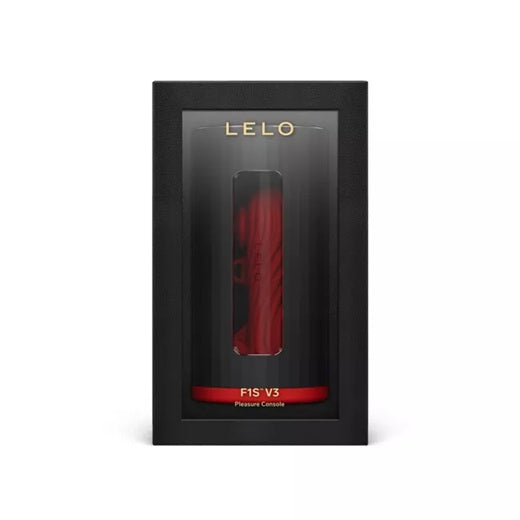
Mostly, toys that respond to interactive video content or a partner's movements via an app, sometimes paired with a VR headset for the visual side while the toy itself just responds to Bluetooth signals — not the headset directly sensing anything. The LELO F1S V3 is the clearest example of where this tech genuinely is: full app control with performance feedback, which is a real, useful feature, distinct from the more speculative "VR" framing some marketing leans on.
What is teledildonics, and how is it different from VR?
Teledildonics is toys controlled remotely over the internet — a partner in another city or country controlling your toy live, or two toys syncing to each other. We cover the core technology in our teledildonics explainer. VR is a separate, additional layer some products are experimenting with layering on top, not a replacement for the connection itself.
| What's real in 2026 | App-controlled partner sync, session feedback, interactive content response |
|---|---|
| What's still early-stage | Full VR headset sensory integration for consumer toys |
| Best current products | LELO F1S V3, Lovense Lush 4, Lovense Hush |
Which toys give you the most genuine tech today?
The Lovense ecosystem remains the most reliable connected platform — the Lush 4 and Hush both offer solid partner control, pattern sharing and reasonably dependable connections, which matters more day-to-day than any VR headline feature. Our app-controlled toys guide ranks the full field on what actually works, not just what's marketed.
Is it worth buying for the VR angle specifically?
Not yet, honestly — buy an app-controlled toy for the app control itself, which is genuinely good technology, rather than for a VR promise that's still more concept than consumer reality. The connected features that exist today are worth having regardless of whether full VR ever arrives. See the current field in our app-controlled collection.