Latex-Free and Hypoallergenic Sex Toys: What to Buy If You React

Latex allergy affects roughly 1 in 200 people in the general UK population, and considerably more among healthcare workers with repeated exposure. The good news: almost no modern sex toy actually uses latex — the material largely disappeared from this category years ago in favour of silicone and TPE. The real question for sensitive skin isn't usually latex at all, it's which specific silicone-family material and which lubricant you're pairing it with.
Do sex toys still use latex?
Rarely, and it's easy to check — reputable listings state the material plainly. Every toy in our collection is body-safe silicone, TPE or stainless steel, none of which contain latex proteins. If you've had a latex allergy scare with a toy before, it was almost certainly a cheap, unlabelled product rather than anything from an established brand.
What's the safest material for sensitive skin generally?
| Material | Allergy risk |
|---|---|
| Stainless steel (Njoy Disco) | Lowest — inert, medical-grade, no additives |
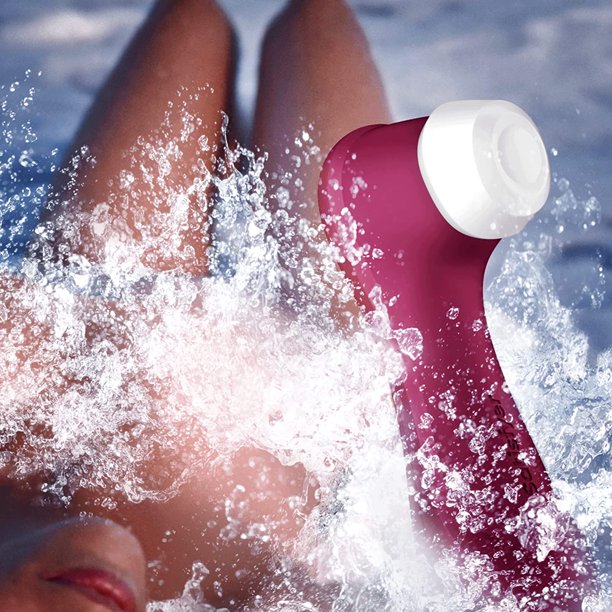
| Medical-grade silicone (Satisfyer Pro 2, Rose) | Very low — the industry standard for sensitive skin |
| TPE | Low, but slightly porous — less ideal for known sensitivities |
| Latex | Avoid if allergic — largely absent from this market anyway |
What about lubricant reactions?
This is actually the more common irritation source. Scented or flavoured lubes, and anything with glycerin or parabens, cause more reactions than the toys themselves. Skins Aqua is unscented and formulated for sensitive use — if you've reacted to a lube before, switching to a plain water-based formula solves it more often than switching toys does.
What should you do if you're not sure what caused a reaction?
Patch-test anything new on your inner wrist first, and introduce one new product at a time so you can actually identify a cause if something does react. If irritation persists despite switching to plain silicone and unscented water-based lube, that's worth a GP conversation rather than more guessing. For most people, simply choosing established medical-grade silicone or steel — which is most of what's sold today — removes the issue entirely.